Menu
Principal Office, Houston Texas Remote Services, Texas and Florida
(by appointment only)
713.568.8600
(by appointment only)
713.568.8600 | 904.425.9046


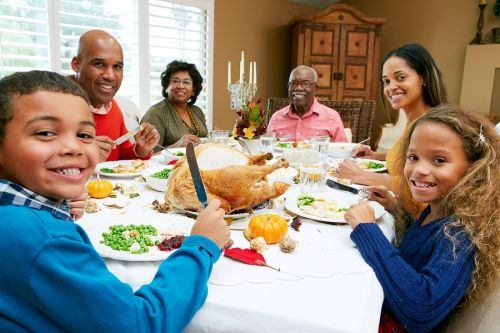
Thanksgiving is a favorite holiday for many Americans. The conversations we have around the table are not always a highlight of the holiday, though, and if not approached with care, can put a damper on dinner that lasts well beyond the gathering.
This may be one of the few times each year when you are able to catch up with a sibling, parent, or child in person. While it may be tempting to steer the conversation away from trivialities and toward more important matters—like estate planning—bringing up topics such as death and incapacity is not as simple as asking someone to pass the potatoes.
To keep good intentions from turning into bad feelings this Thanksgiving, it helps to have a plan for making estate planning conversations go down a bit easier.
 May I Please Be Excused? Why People Might Avoid Uncomfortable Topics Around Thanksgiving
Estate planning is an inherently loaded and often uncomfortable topic that can raise difficult emotions. Millions of Americans gather for Thanksgiving each year, but many important conversations are left on the table.
 Even in families that talk, some of the hardest topics go unaddressed. Many Thanksgiving feasts start out with a toast for good health, but talking about topics like health, money, and inheritance can trigger old sibling dynamics or perceived favoritism that age about as well as leftover turkey. Adult children may also worry that they will seem to be rushing a parent into a decision or angling for a slice of the pie before it is time for dessert.
Setting the Table for Tough Conversations
 Behind every successful Thanksgiving meal are many hours of prep work that typically go unseen by the guests, who may show up with strong appetites but little appetite to discuss topics like estate planning. A good host knows not to start the gathering with the turkey and fixings. You begin with smaller dishes and work your way up to the entrée.
There may be several rounds of appetizers as guests arrive and take their seats. Even as the turkey comes out of the oven, it is not the time to dig in. That comes later, once everything and everyone is ready. The buildup is part of the payoff.
You can approach estate planning discussions at Thanksgiving with some inspiration from how the meal itself comes together. Tradition is part of what makes the holidays special, but new traditions can join old ones, and there is always room at the table for different tastes. A conversation about the future can become one of them.
In that same spirit, try whetting everyone’s appetite for the Turkey Day “talk” with a call or text beforehand that floats the idea and sets the stage for a serious discussion. You can also come prepared with talking points that fit naturally with topics likely to arise, such as a family situation or a news story, that lead into the main conversation you have in mind. Think of them as aperitifs or digestifs—light additions that help people loosen up before or after the meal.
Digging In While Minding Your Manners
Once you have set the table, people are gathered around, and the conversation gets underway, the tone and proportionality matter as much as timing. Consider the following approaches:
The goal is not to finalize an estate plan at the dinner table—in fact, pushing for that can backfire. Resist the temptation to put too much on someone’s plate. A few smaller servings, spread out in increments, might work better than one overflowing serving. And know how to read the room and individual family members. A private phone call or one-on-one conversation in the weeks after Thanksgiving may be more productive than continuing in front of an audience.
This may be one of the few times each year that you see them face-to-face, but remembering that people have different tastes and timelines will help you bring the same care to the conversation that you bring to the meal.
[1] Luona Lin & Juliana Menasce Horowitz, Experiences with Estate Planning and Discussing End-of-Life Preferences, Pew Rsch. Ctr. (Nov. 6, 2025), https://www.pewresearch.org/social-trends/2025/11/06/experiences-with-estate-planning-and-discussing-end-of-life-preferences (last visited Nov 12, 2026).
[2] Id.
[3] Id.

Principal Office, Houston Texas Remote Services, Texas and Florida
(by appointment only)
713.568.8600
(by appointment only)
713.568.8600 | 904.425.9046
© 2026 McCreary Law Office, PLLC