Menu
Principal Office, Houston Texas Remote Services, Texas and Florida
(by appointment only)
713.568.8600
(by appointment only)
713.568.8600 | 904.425.9046


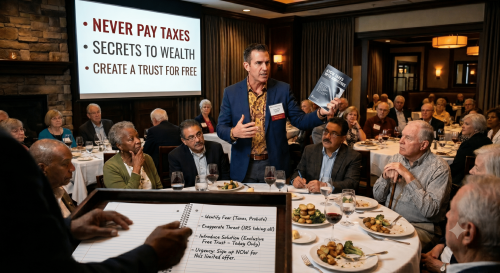
In our previous article, we explored actionable strategies for initiating the estate planning conversation with your parents, emphasizing the importance of early and open communication. However, opening the door to these discussions also means ensuring your family is walking through it safely. The estate planning landscape can be a minefield for older adults, who are frequently targeted by predatory bad actors. To help you safeguard your parents' legacy, we are shifting our focus to a critical security issue: the most prevalent estate planning scams targeting seniors today, and how to defend against them.
Creating an estate plan is an important step in protecting your loved ones and ensuring that your assets are distributed according to your wishes. Unfortunately, scammers know that people who want to safeguard their estates are often willing to act quickly.
Even a carefully drafted estate plan can be undermined if you fall prey to a fraudulent scheme. Scammers often leverage fear, urgency, and lack of familiarity with the estate planning process. According to a 2023 report from the Federal Bureau of Investigation, victims of financial fraud who were aged 60 or older lost an average of about $34,000 that year to scams.[1]
Being aware of common tactics and warning signs can help you safeguard your finances and your family.
 Why Seniors Are Targeted in Estate Planning Scams
Older adults are often the focus of estate planning scams because they
Scammers capitalize on these factors, exaggerating risks and claiming their service is the only solution. They may insist that avoiding their service will result in large tax consequences, lost inheritance, or financial ruin—even when those threats are irrelevant to your situation.

Estate planning scams take many forms, but the following are some of the most common:
Be cautious if a provider does any of the following:
Scammers often prey on emotions, making victims feel anxious or rushed. Remember that a legitimate estate planning attorney will calmly explain your options, allow time for questions, and customize a plan specific to your needs.

The best defense against scams is working with a qualified, licensed estate planning attorney. Our trusted team members can help you create enforceable documents tailored to your needs, ensuring that your assets are protected and your wishes are honored. Being informed and vigilant is the most effective way to keep your estate plan—and your loved ones—safe. Contact our office today.

Principal Office, Houston Texas Remote Services, Texas and Florida
(by appointment only)
713.568.8600
(by appointment only)
713.568.8600 | 904.425.9046
© 2026 McCreary Law Office, PLLC